A gut symbiotic filamentous fungus reprograms host metabolism and the microbiota to confer radioprotection.
The gut mycobiome is increasingly linked to host physiology, yet functional insights are dominated by yeasts, leaving the roles of filamentous fungi largely unexplored. Here, we identify Mucor racemosus as a gut-resident symbiotic filamentous fungus that establishes intestinal colonization via both hyphal and spore forms. M. racemosus confers radioprotection through an integrated metabolic program coupling direct host support with microbiota-mediated amplification. The fungus produces L-glutamat
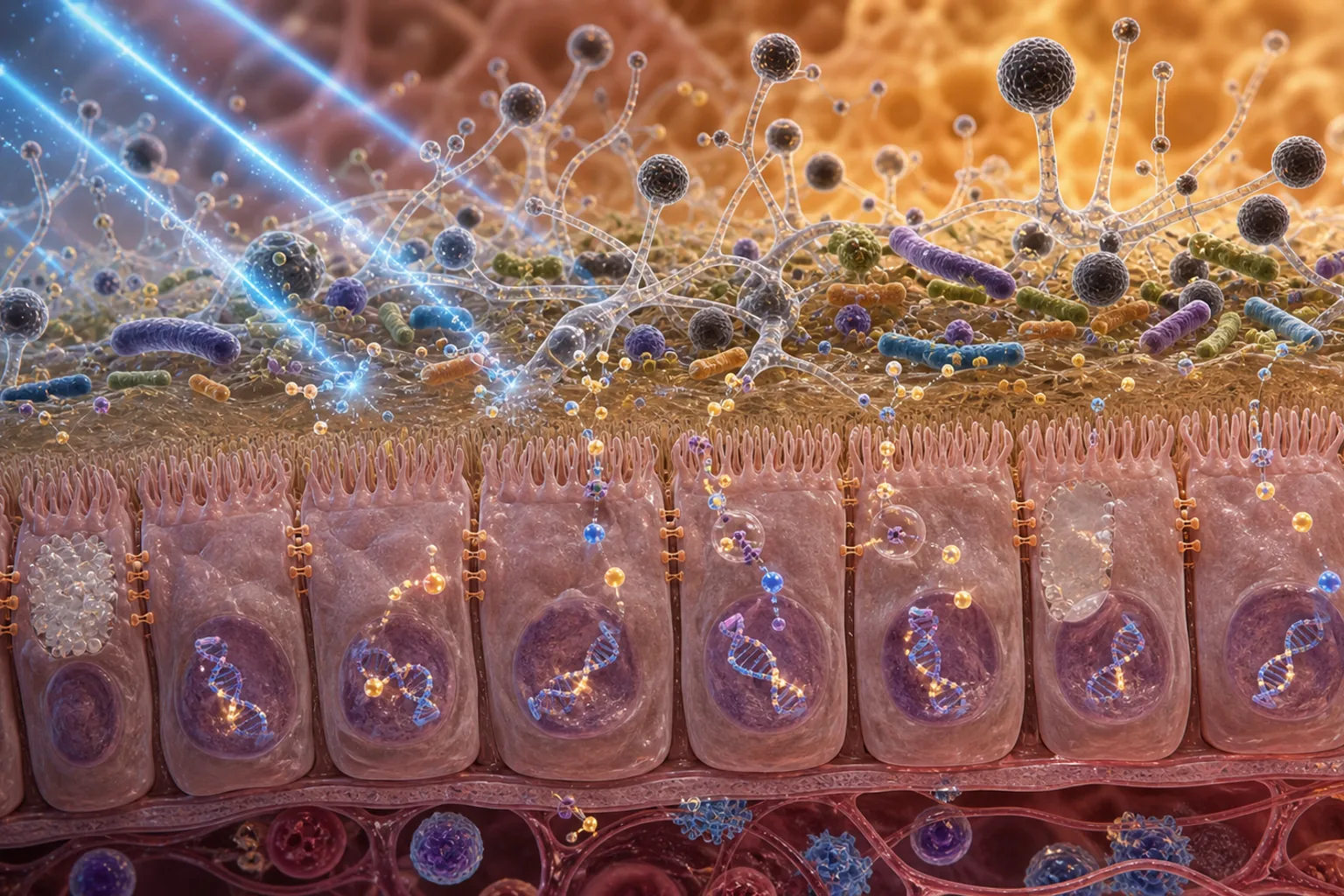
The gut mycobiome is increasingly linked to host physiology, yet functional insights are dominated by yeasts, leaving the roles of filamentous fungi largely unexplored. Here, we identify Mucor racemosus as a gut-resident symbiotic filamentous fungus that establishes intestinal colonization via both hyphal and spore forms. M. racemosus confers radioprotection through an integrated metabolic program coupling direct host support with microbiota-mediated amplification. The fungus produces L-glutamate, L-aspartate, and DL-lysine, which are transferred to the host to enhance DNA damage repair in radiation-exposed intestinal epithelial cells. In parallel, M. racemosus -derived methylthioadenosine remodels the gut bacterial community by enriching Limosilactobacillus reuteri and reprogramming sulfur metabolism to generate radioprotective methionine. This coordinated fungal-bacterial metabolic axis reinforces intestinal radiotolerance. Consistent with this mechanism, dietary administration of M. racemosus -fermented cheese confers radioprotection in vivo. Together, these findings establish gut filamentous fungi as active metabolic organizers of host-microbiota interactions.